How to Maintain Your Woodworking Tools So Your Furniture Projects Turn Out Better
You just ruined a beautiful piece of walnut. Again. Let me guess. You think the wood is too hard or your technique is off. Actually, your blades are just dull. Dull chisels tear grain. Dull saw blades burn wood. It’s that simple. If you want better furniture projects, you have to treat tool maintenance like religion. Grab a honing guide. Get those chisels back to a mirror edge. You should be able to shave hair off your arm with them. If you can't, don't even touch that lumber.
Rust Doesn't Sleep in a DIY Workshop
Here's the thing about cast iron. It loves to rust. Leave a sweaty thumbprint on your jointer overnight? Boom. Orange spot in the morning. Proper woodworking tools care isn't just about sharp edges. It's about protecting the massive metal surfaces you rely on. Clean off the pine resin. Rub down your table saw and band saw with paste wax. Buff it out. The wood will glide like butter, and the moisture in your garage won't stand a chance.
Choking Motors and Burning Bearings
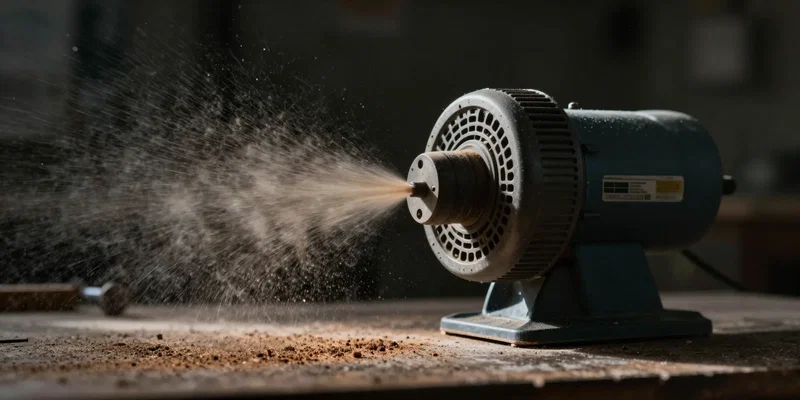
Your router is probably suffocating. Power tools pack a massive amount of heat into a tiny plastic shell. When you let fine dust pack tightly around the motor vents, you're basically wrapping a winter sweater around a marathon runner. It burns out bearings. It ruins motors. But fixing this takes ten seconds. Take an air compressor and blow out the vents after every major project. It sounds stupidly simple. Because it is. Keep the air flowing, and that expensive sander will actually survive the year.
The Lie Your "Square" Keeps Telling You
You built a drawer. It wobbles. Why? Because the square you dropped off your workbench three months ago isn't square anymore. We blindly trust our measuring tools. Big mistake. Your table saw fence drifts. Your miter gauge gets bumped. If your reference points are off by half a degree, your entire cabinet is going to look like a funhouse prop. Calibrate your squares. Check your blade alignment. Do it every month.
Stop Using WD-40 on Everything
Wet lubricants attract dust. Dust turns into concrete. When you spray standard oil on the gears of your table saw or drill press, you are creating a sticky trap for every speck of sawdust in your DIY workshop. Suddenly your height adjustment wheel takes two hands and a lot of swearing to crank. Switch to dry lubricants. PTFE or graphite. They keep the gears turning smoothly without turning your internal mechanisms into a fuzzy, jammed-up mess.