How to Start an Apartment Worm Bin: A Beginner’s Step-by-Step Guide
Here's the thing. If you toss regular earthworms into a plastic bin, you're basically throwing them a funeral. Nightcrawlers need deep soil to burrow. Red wigglers? They love living in garbage. Literally. These little guys eat half their body weight in scraps every single day. But don't just grab any worms from your garden. Buy them online or from a bait shop. A pound of red wigglers costs maybe thirty bucks. That's your entire workforce. Treat them right, and they'll outlive your lease.
The Perfect Bin Setup for Tiny Apartments
You don't need some fancy two-hundred-dollar system. Actually, a couple of dark plastic storage totes from Target work perfectly. Drill some holes in the sides and lid for airflow. Worms breathe through their skin. No air, dead worms. Stack one bin inside another to catch the liquid drippings. That stuff is liquid gold for houseplants. Keep the bin in a closet, under the sink, or in the laundry room. Just not in direct sunlight. These worms didn't sign up for a sauna. Aim for a bin about twelve inches deep. Shallow is better. Red wigglers stay near the surface where the food is.
Bedding Is the Secret Weapon Everyone Ignores
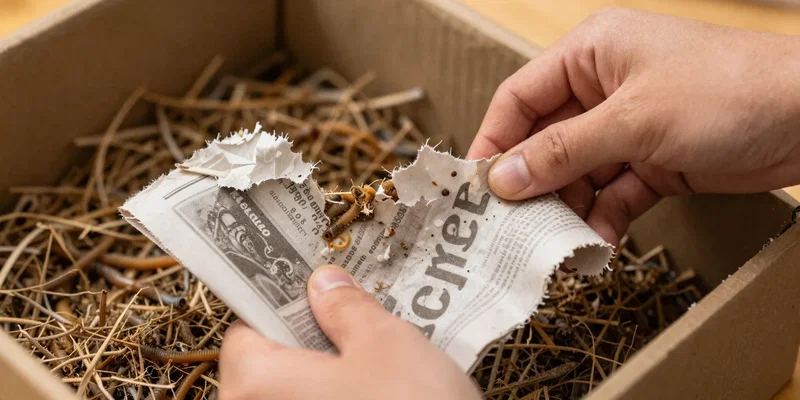
People obsess over the food. They totally forget the bedding. Worms need a carbon-heavy home to nest in. Tear up newspaper, cardboard, or even junk mail. Soak it in water first. Then wring it out until it's like a damp sponge. Toss in a handful of soil or finished compost too. Grit helps them digest. Think of it like giving them a set of teeth. Fill the bin about three-quarters full with this fluffy mix. It shouldn't be soggy. Soggy bedding smells like a swamp. Your roommates will hate you. And the worms will try to escape. They absolutely will.
What You Can Actually Feed Them
Fruit peels. Coffee grounds. Crushed eggshells. Wilted lettuce. These worms are not picky eaters. But they do have standards. No meat. No dairy. No oily foods. That stuff rots, stinks, and draws fruit flies. Which in an apartment? Disgusting. Bury the scraps in one corner of the bin. Cover them with a layer of bedding. Rotate spots each time you feed. Think of it like a buffet line. One side gets picked clean before you move to the next. Chop everything into small pieces. The smaller the scraps, the faster they vanish. Your worms are efficient. But they aren't magicians.
How to Not Kill Them in the First Month
Overwatering is the number one killer. The bedding should feel like a wrung-out sponge. Not wet. Not dry. Goldilocks zone. If it stinks, it's too wet. Add dry shredded paper. If the worms are crawling up the sides, they're stressed. Maybe it's too acidic from too many citrus peels. Maybe it's too hot. These guys like it between fifty-five and seventy-five degrees. Basically, room temperature. Check on them once a week. Dig around a little. Are they plump and active? You're doing great. Are they sluggish and pale? Something's off. Adjust fast.
The Black Gold Payoff Is Worth the Weirdness
After a few months, the bottom of your bin will look like dark, crumbly soil. That's worm poop. Also known as castings. Also known as the best fertilizer on the planet. It won't burn your plants like chemical junk. You can steep it in water to make compost tea. Or just mix it straight into your potting soil. Your pothos will go absolutely feral. Your herbs will explode. And you just diverted a ton of food waste from a landfill. In an apartment. With a box of worms under your sink. It sounds insane. But it works. Start small. Stay consistent. The worms handle the rest.