First-Time Vermicomposting Checklist: Everything You Need Before Buying Worms
Everyone thinks they can grab that old Rubbermaid from the garage and call it a day. Nope. Worms are surface eaters. They hang out in the top six inches and ignore everything below it like it's last year's news. You want something wide and shallow, not deep and narrow. Drill holes in the bottom. Drill holes in the sides. If you're terrified of DIY, grab a cheap under-bed storage tote. It works better than those overpriced stacked towers that promise the world and deliver a traffic jam of unfinished castings. For your first run at beginner worm composting, keep it simple. The worms don't care about aesthetics. They care about airflow and room to move.
Your Worms Need a Better Mattress Than You Do
Bedding isn't filler. It's the entire apartment complex. Tear up non-glossy newspaper, egg cartons, and plain cardboard. Avoid the shiny coupon flyers. They take forever to break down and the worms look at them like you just served them plastic. Soak it all in water, then wring it out until it feels like a damp sponge. Not dripping. Not dry. That middle ground where you could squeeze a drop or two out. Toss in a handful of coconut coir if you're feeling fancy. Fluff everything up. Worms need air pockets. Compact, soggy bedding suffocates them. Think fluffy, not muddy. This step alone separates a functioning indoor worm setup from a stinky science experiment gone wrong.
The Supply Run Nobody Warned You About
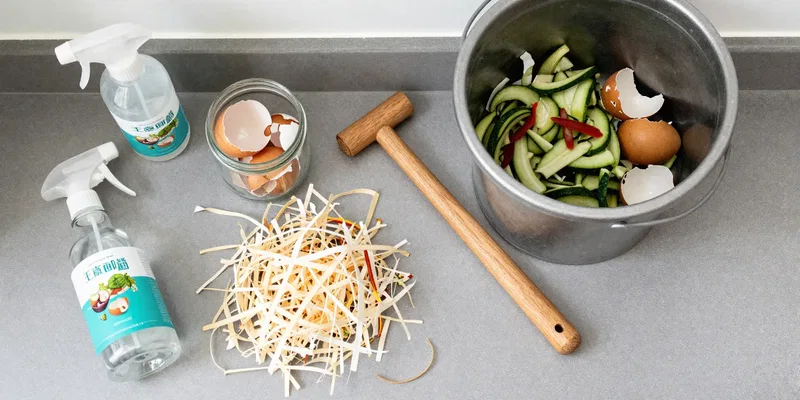
You'll need more than a bin and some worms. Grab a spray bottle. Dry bins kill worms faster than almost anything else. Keep it handy. Save your eggshells, crush them into a powder, and store them in a jar. Worms need grit to process food in their gizzard. Without it, they're trying to chew with no teeth. The eggshells fix that. A small hand rake or even a chopstick helps aerate the bin weekly without disturbing the herd too much. And yes, you'll need a dedicated container for food scraps. Not the same one you use for dinner. Get a small lidded bucket. Keep it under the sink. Let scraps start breaking down before they hit the bin. This is the worm farm supplies list that actually matters. Skip the pH meters and moisture sensors. Your hand and your nose tell you everything you need to know.
Your Garage Is Probably a Death Trap
Before you buy a single red wiggler, figure out where this thing is living. Temperature is everything. Worms thrive between 55 and 77 degrees Fahrenheit. Your garage in Phoenix? That's an oven. Your drafty shed in Minnesota? That's a freezer. Both will turn your bin into a graveyard. A kitchen corner works. A closet floor works. Under the desk in your home office works. Anywhere climate-controlled and out of direct sun. Worms hate light. It drives them deeper into the bedding, which sounds fine until you realize they won't come up to eat. Location isn't a footnote on your vermicomposting checklist. It's the whole damn page. Pick the spot first. Build around it.
Buy the Worms Last. Seriously.
Here's the thing. Worms ship fast. Too fast. If you order them before you have bedding prepped and a spot picked out, you're running a relay race against the mailman. And you're losing. Set up the entire bin first. Add the bedding. Spritz it. Let it sit for a day. Make sure the environment feels right. Then, and only then, hit purchase on those red wigglers. Not nightcrawlers. Not earthworms from your backyard. Eisenia fetida. Red wigglers. They're the only ones wired for this life. Order a pound to start. That's roughly a thousand worms. Sounds like a lot. It's not. They'll settle in within hours if you did your job right. If you didn't, at least you won't be watching a hundred bucks of livestock die in a plastic tub because you skipped steps one through four.