Red Wigglers vs European Nightcrawlers: Which Worm Is Better for Small Spaces?
Here’s the thing. If you’re living in an apartment and trying to figure out the whole vermicomposting thing, the first question that hits you is brutal. Red wigglers vs nightcrawlers. Which one actually survives in a plastic tote under your kitchen sink? Let me save you some time. Most people online will tell you both work. They don’t. Not for your space. Not for your lifestyle. You need compost worms that won’t revolt when you forget to feed them for a week. You need worms that turn banana peels into black gold without turning your studio into a swamp. So which worm wins? Let’s dig in.
Red Wigglers: The Apartment Champions
Red wigglers are surface dwellers. They live in the top few inches of your bin, which means they don’t need a foot of dirt to be happy. That’s huge for apartment worm farming. You can keep them in a shallow storage tote, slide it under a table, and forget it exists for days. They breed like crazy. A healthy colony doubles in population every few months if you give them scraps and coffee grounds. And they tolerate mistakes. Overfeed them once? They’ll probably forgive you. Let the bedding dry out a bit? They’ll burrow deeper. These guys are the best worms for vermicomposting if you’re working with limited square footage and limited patience.
European Nightcrawlers: The Bigger, Pickier Option
European nightcrawlers are impressive. They’re thicker, longer, and they look like they mean business. But here’s the catch. They’re deep burrowers. In nature, these worms drill down six to eight inches into the soil, sometimes deeper. That means they need more vertical space than your average under-the-sink setup can offer. They also move slower, eat slower, and reproduce slower. If you’re trying to process a week’s worth of vegetable scraps in a five-gallon bucket, nightcrawlers will leave you hanging. They’re fantastic for garden beds and outdoor compost piles. For small spaces? Not so much. It’s not that they’re bad. They’re just the wrong tool for a tiny job.
Space, Smell, and Sanity: The Real Comparison
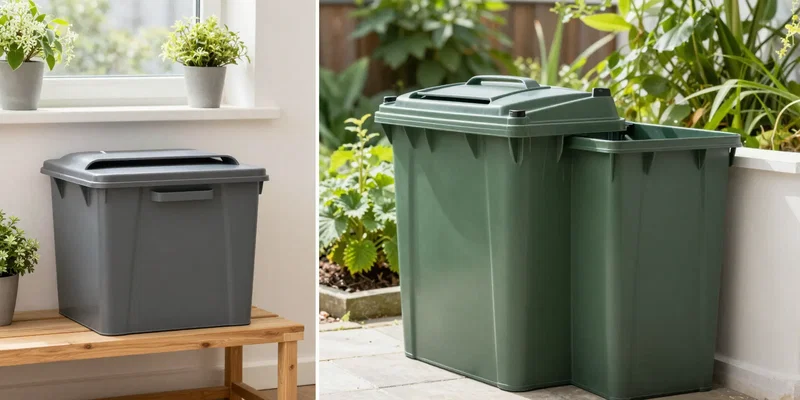
Let’s talk about what actually matters when you’re comparing red wigglers vs nightcrawlers in an apartment. Space. Red wigglers thrive in twelve inches of bedding. Nightcrawlers want double that or more. Odor. Surface-dwelling red wigglers process food quickly at the top layer, so anaerobic pockets are less likely to form. That means fewer funky smells drifting into your living room. Sanity. Red wigglers stay where you put them. Nightcrawlers explore. They’ll try to escape a shallow bin because their instinct tells them to go deep. You do not want to find a four-inch worm on your bathroom floor at midnight. Trust me on this one.
Feeding Habits and Waste Output
Red wigglers eat about half their body weight in food scraps per day. Sounds small until you realize a pound of them can devour several pounds of waste per week. Perfect for a one or two-person household. They love coffee grounds, melon rinds, and crushed eggshells. Nightcrawlers eat too, but their slower metabolism means they handle smaller loads over longer periods. If your goal is to reduce kitchen waste quickly and actually see results, red wigglers are the obvious pick. You’ll open your bin in three months and find finished vermicompost ready for your houseplants. Nightcrawlers might need twice as long to get you there.
Which Worm Should You Actually Buy?
If you’re just starting out and you’re working with anything smaller than a backyard, the answer is simple. Start with red wigglers. They’re cheaper, easier to source, and designed by nature for the exact kind of shallow, contained life an apartment offers. You can always add European nightcrawlers later if you expand outdoors. But for now? Grab a pound of red wigglers, set up a simple bin with shredded cardboard, and start tossing in your scraps. Your plants will thank you. Your trash output will drop. And your neighbors will never know you’re running a worm farm ten feet from their wall.